As we cross the threshold of 50 and step into the decades that follow, many of us begin to notice subtle but meaningful changes in how our bodies respond to daily life.
A brisk walk that once felt effortless may now require a slightly longer recovery. Large meals may feel heavier. Sleep patterns may shift. Muscles may feel tighter in the morning.
These changes are not necessarily signs of illness—they are part of the normal biological process of aging. However, they do signal something important: the body becomes more selective about what it needs, and nutrition plays a more strategic role than ever before.
After 50, eating is no longer just about satisfaction or convenience. It becomes about efficiency, stability, and long-term maintenance. Every meal has the potential either to support resilience or to quietly strain systems that are naturally becoming more sensitive with age.

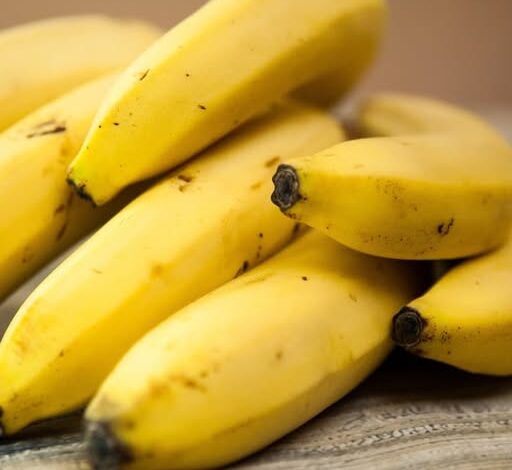
While modern health culture promotes expensive supplements, complicated diet plans, and trending “superfoods,” one of the most evidence-supported, accessible, and practical tools for healthy aging remains remarkably simple: the banana.
Often viewed as an ordinary snack, the banana is, in fact, a nutrient-dense fruit that aligns exceptionally well with the physiological priorities of adults over 50.
Adding one banana a day to a balanced diet is not a miracle cure—but it is a small, consistent habit that supports cardiovascular health, digestive function, muscle comfort, and steady energy levels. When integrated thoughtfully, it becomes a reliable component of a sustainable approach to aging well.
Understanding the Nutritional Shift After 50
Aging brings predictable metabolic changes. Basal metabolic rate tends to decline gradually due to reductions in lean muscle mass and hormonal shifts.
This means that calorie requirements often decrease. At the same time, the body’s need for certain vitamins and minerals either remains the same or increases. This creates a nutritional efficiency challenge: fewer calories, but higher micronutrient demands.
In addition, the digestive tract may absorb some nutrients less efficiently with age. Kidney function, while still healthy in many adults, becomes more sensitive to electrolyte balance.
Blood vessels gradually lose some elasticity, making blood pressure management increasingly important. Muscle mass naturally declines in a process known as sarcopenia. Bone density may decrease. Blood sugar regulation can become less flexible.
These shifts do not mean decline is inevitable—but they do mean that food choices matter more. Nutrient density becomes essential. Bananas offer a concentrated package of key nutrients—particularly potassium, vitamin B6, vitamin C, fiber, and natural carbohydrates—that directly support systems commonly affected by aging.
Potassium and Cardiovascular Support
One of the most researched nutrients in bananas is potassium. A medium banana contains roughly 400 to 450 milligrams of potassium. While the general recommended intake for adults is around 2,600 to 3,400 milligrams per day depending on sex and health status, many people fall short of this target.
Potassium plays a central role in fluid balance, nerve transmission, and muscle contraction. Most importantly for adults over 50, it works in balance with sodium to help regulate blood pressure. Diets high in sodium can contribute to elevated blood pressure by increasing fluid retention and placing strain on blood vessel walls. Potassium helps counteract this effect by encouraging the kidneys to excrete excess sodium and by helping blood vessel walls relax.
The American Heart Association emphasizes that potassium-rich diets are associated with healthier blood pressure levels and reduced risk of stroke. Bananas are not the only source of potassium—leafy greens, beans, and dairy products also contribute—but their convenience and portability make them an easy, consistent addition.

For adults over 50, maintaining healthy blood pressure is one of the most important strategies for preserving heart health, cognitive function, and kidney health. Including potassium-rich foods such as bananas supports this effort as part of a balanced dietary pattern.
Digestive Health and Fiber Balance
Digestive regularity often becomes more noticeable with age. Reduced physical activity, changes in medication, lower fluid intake, and slower gut motility can all contribute to occasional constipation or discomfort. Fiber intake is a common gap in adult diets, particularly among older adults.
A medium banana provides approximately 3 grams of dietary fiber. This includes both soluble and insoluble fiber. Soluble fiber absorbs water and forms a gel-like substance, helping soften stool and support smoother digestion. Insoluble fiber adds bulk and helps move material efficiently through the digestive tract.
Unlike some high-fiber foods that may be difficult to chew or tolerate, ripe bananas are soft, gentle, and easy to digest. This makes them particularly practical for individuals with dental concerns or sensitive stomachs.
Bananas also contain resistant starch (particularly when slightly underripe) and prebiotic compounds that help nourish beneficial gut bacteria. A healthy gut microbiome is increasingly recognized as important not only for digestion, but also for immune function and even aspects of mental well-being. While bananas alone cannot transform gut health, they contribute positively to a fiber-rich dietary pattern.
Steady Energy Without Sharp Spikes
Energy management becomes more about consistency than intensity after 50. Rapid spikes in blood sugar followed by crashes can feel more pronounced. Highly processed snacks and refined sugars may lead to short-lived energy boosts followed by fatigue.
Bananas contain natural carbohydrates in the form of glucose, fructose, and sucrose. Because these sugars are packaged with fiber, they are absorbed more gradually than refined sugars. This contributes to steadier blood sugar responses compared to sweets or sugary beverages.
Additionally, bananas are a good source of vitamin B6, which plays a role in energy metabolism. Vitamin B6 helps the body convert food into usable energy and supports normal brain development and function. Adequate B6 intake becomes especially relevant as nutrient absorption may decline slightly with age.
For adults experiencing mid-morning or afternoon fatigue, pairing a banana with a protein source—such as Greek yogurt, nuts, or nut butter—can provide balanced, sustained energy without dramatic fluctuations.
Muscle Function and Cramp Prevention
Muscle cramps, particularly nighttime leg cramps, are a common complaint among older adults. While cramps can have many causes—including dehydration, medication side effects, and circulation issues—electrolyte balance plays an important role.
Potassium supports normal muscle contraction and relaxation. Magnesium, which bananas contain in smaller amounts, also contributes to neuromuscular function. Together with proper hydration, adequate potassium intake may help reduce the likelihood of cramps related to electrolyte imbalance.
It is important to note that bananas are not a guaranteed cure for muscle cramps. However, as part of an overall balanced diet that includes sufficient fluids and electrolytes, they support the systems responsible for coordinated muscle activity.
Muscle preservation also depends on adequate protein intake and strength training. Bananas pair well with protein-rich foods, making them a practical addition to post-exercise snacks or balanced breakfasts that support muscle maintenance.
Bone Health Support
While bananas are not high in calcium, they contribute indirectly to bone health in several ways. Their potassium content may help reduce calcium loss through urine, supporting overall mineral balance. They also provide small amounts of magnesium, which plays a role in bone structure.
Vitamin C, present in bananas, contributes to collagen formation. Collagen is an important component of connective tissues, including those found in bones. Though bananas are not a primary source of vitamin C compared to citrus fruits, they add to total daily intake.
Bone health after 50 depends on a combination of nutrients including calcium, vitamin D, magnesium, and vitamin K, along with weight-bearing exercise. Bananas fit into this broader strategy as one supportive element.
Weight Management and Satiety
Because metabolism tends to slow with age, maintaining a healthy weight can require greater awareness. Bananas are moderately calorie-dense compared to berries but relatively low in calories overall—typically around 100 to 110 calories for a medium fruit.
The fiber content helps promote satiety, potentially reducing overeating later in the day. When used as a replacement for highly processed snacks or desserts, bananas can support weight management goals.
Their natural sweetness also makes them a useful alternative to added sugars in recipes. Mashed bananas can replace part of the sugar or fat in baked goods, increasing nutrient density while reducing empty calories.
Practicality and Accessibility
One of the greatest strengths of bananas is their practicality. They require no preparation, come in natural protective packaging, and are widely available year-round. They are affordable compared to many specialty health foods.
For adults balancing work, caregiving, travel, or active retirement schedules, simplicity increases adherence. A health habit only works if it is sustainable. Bananas can be eaten alone, sliced over oatmeal, blended into smoothies, added to whole-grain cereal, or paired with nut butter.
This versatility makes it easier to maintain consistency, which is more impactful than occasional dramatic dietary changes.
Considerations and Individual Health Conditions
While bananas are safe and beneficial for most people, context matters. Individuals with advanced kidney disease may need to limit potassium intake and should consult their healthcare provider. Those managing type 2 diabetes can still include bananas in moderation, ideally choosing slightly firmer bananas and pairing them with protein or healthy fats to moderate blood sugar response.
Nutrition is never one-size-fits-all. Bananas should complement a balanced diet rich in vegetables, fruits, lean proteins, whole grains, and healthy fats.
The Power of Consistent, Small Choices
Healthy aging rarely depends on a single food or supplement. It is the result of accumulated habits practiced consistently over time—regular movement, balanced meals, adequate sleep, hydration, and stress management.
In this broader context, eating one banana a day represents a small but meaningful act of self-care. It supports cardiovascular balance through potassium, digestive regularity through fiber, energy metabolism through vitamin B6, and muscle function through electrolyte support.
There is no fountain of youth hidden in a fruit bowl. However, nature provides accessible tools that align remarkably well with the body’s evolving needs. The banana is one such tool: simple, evidence-supported, practical, and adaptable.
For adults over 50 seeking sustainable strategies rather than extreme interventions, integrating a banana into a balanced daily routine is a realistic step toward maintaining strength, vitality, and resilience in the decades ahead.
